What the Jamaican Food Centennial Teaches Us About Identity
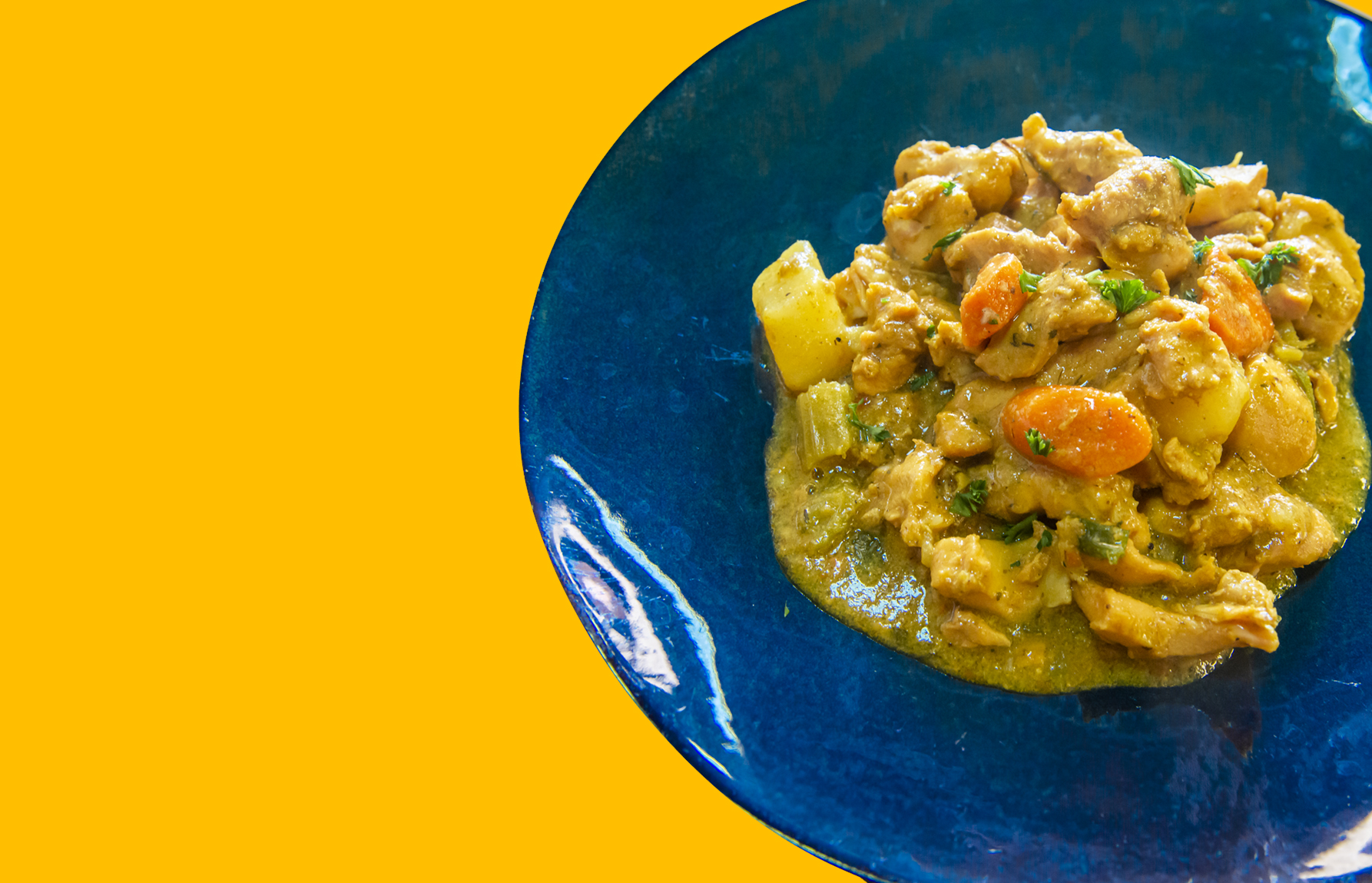
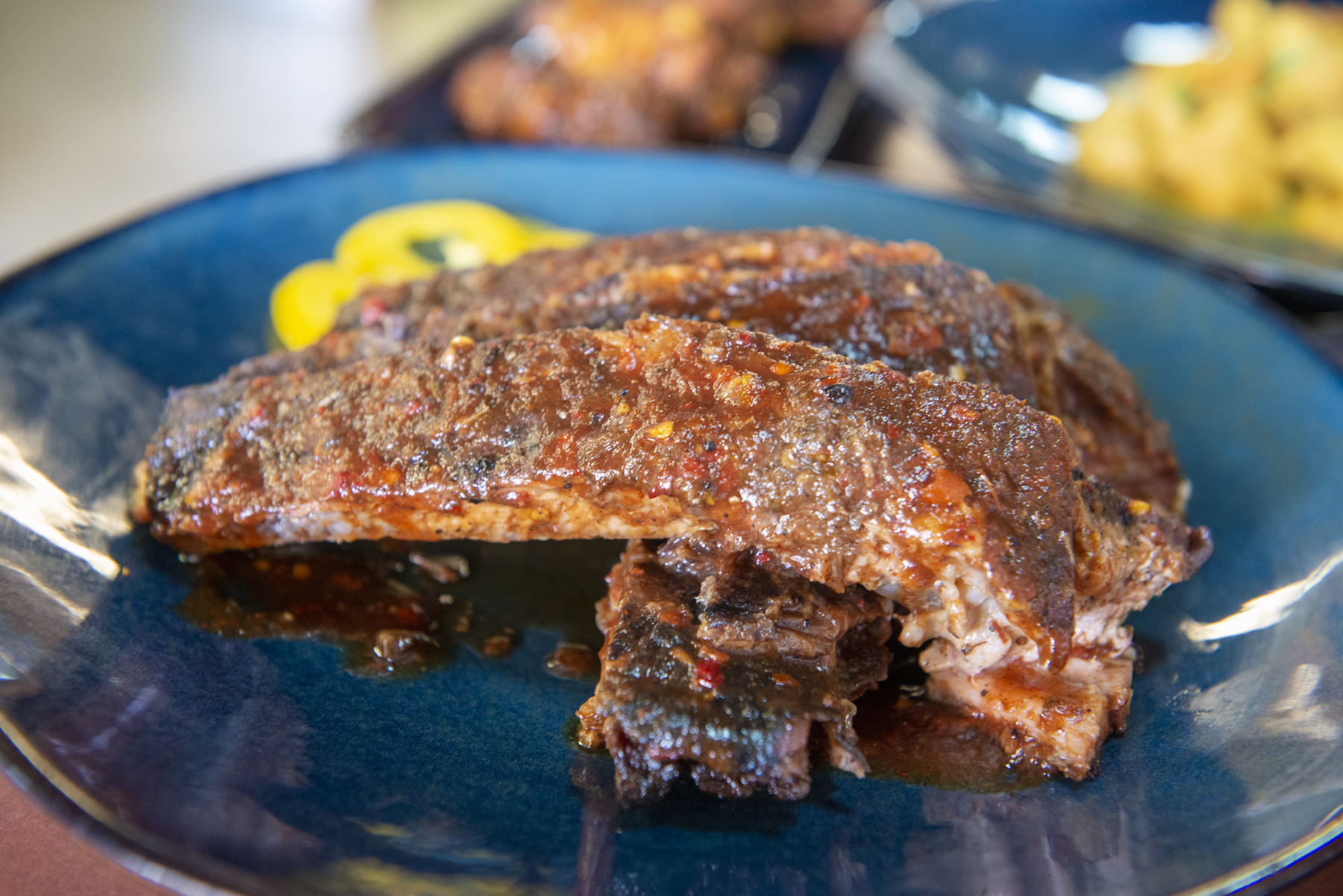
When people use the phrase jamaican food centennial, they often sound as though they are describing a celebration of recipes. That is only part of the story. Food anniversaries, especially a centennial, are never just about dishes set on a table. They are about memory, hierarchy, migration, scarcity, pride, survival, and the quiet negotiations that shape how a people sees itself.
Jamaican food jamaican food centennial makes this especially clear because Jamaican identity itself has never been simple. It is layered, mobile, and argued over. The island’s food carries African technique, Indigenous knowledge, European trade systems, South Asian seasoning logic, Chinese shop culture, and the improvisation that grows wherever people are forced to make something sustaining from too little. To mark one hundred years of anything related to Jamaican food is to run into a hard truth almost immediately: identity is not pure, fixed, or singular. It is cooked.
That may sound poetic, but in Jamaica it is also practical. Spend enough time around cooks, market women, street vendors, family kitchens, or diaspora restaurants and you hear the same thing expressed in different language. A dish is never only a dish. Ackee and saltfish can signal home, colonial residue, class aspiration, improvisation, tourism branding, and Sunday comfort, all at once. Jerk can be both sacred craft and overused marketing term. Patties can be humble lunch, industrial success story, and a marker of belonging for Jamaicans abroad who can spot a proper crust from twenty paces.
A centennial asks people to take stock. What have we kept? What have we changed? What have we packaged for export? What have we hidden because someone once told us it was too rough, too common, too African, too spicy, too poor, too local? Those questions are where food stops being lifestyle content and becomes a serious lens on identity.
Identity tastes like history, not nostalgia
The first mistake people make when talking about national food is assuming it emerges in a clean line. Jamaica’s does not. It comes from collision. Enslaved Africans brought knowledge of cultivation, preservation, starch cookery, and seasoning habits that profoundly shaped the island. Indigenous Taino influence survives most famously in barbacoa methods and cassava traditions, though much was violently disrupted. Later came indentured workers from India and Chinese migrants, along with long British administrative and commercial influence. The result was not a tidy multicultural arrangement. It was a society built under unequal power, where food often reveals who had access, who adapted, and who endured.
That matters because centennial celebrations can slide too easily into polished nostalgia. You see glossy menus, heritage branding, carefully photographed platters, and phrases about timeless authenticity. But Jamaican food was not built in timeless conditions. It was built in conditions of plantation economics, import dependence, colonial taste hierarchies, urban migration, and repeated pressure to make local ingredients serve changing markets.
Take rice and peas, a dish many outsiders wrongly imagine as static. In practice, what goes into the pot can vary by region, household budget, and occasion. Gungo peas in season, kidney beans when available, coconut milk richer in some homes than others, pimento used more assertively by cooks who trust it. The dish is stable enough to be recognizable and flexible enough to absorb circumstance. That is identity in action. A people remains itself not by refusing change, but by changing within a recognizable grammar.
The Jamaican food centennial, understood in that spirit, teaches a valuable lesson. Identity is not weakened by adaptation when the community still recognizes its own hand in the process. In fact, adaptation is often the proof that identity is alive.
The kitchen records class differences more honestly than speeches do
One thing experienced observers learn quickly is that national food stories often flatten class. Jamaica is no exception. It is easy to speak about “the Jamaican table” as if all tables were the same. They never were.
There has long been a difference between celebratory food, everyday food, country food, town food, roadside food, hotel food, school food, and the meals that families stretch across a difficult week. Even among dishes treated as national icons, quality and access vary. A well-made curried goat served at a wedding signals something different from a modest pot of mackerel rundown prepared to get a family through the evening. Both belong to Jamaican life, but they do not carry the same economic story.
That distinction matters because identity is often narrated from the top down. Official celebrations tend to elevate what looks festive, exportable, and camera-ready. Yet much of Jamaican food identity lives in foods that historically carried less prestige. Think of soups thickened with ground provisions, pepper pot, mannish water, fried dumpling and salt mackerel, breadfruit in all its forms, or the quick ingenuity of turning tinned goods, onions, thyme, scallion, and Scotch bonnet into a meal with authority. Many families built culinary memory from these combinations, not from banquet platters.
I remember a conversation with a Jamaican cook who once told me that outsiders always asked her for “the famous dishes,” but nobody asked about the meals people depended on when money was short and children still had to eat. She was not dismissing the famous dishes. She was pointing out that identity forms in repetition. The foods that kept showing up, especially under pressure, often tell the deeper truth.
A centennial celebration that takes identity seriously should make room for this. It should honor high craft, certainly, but also kitchen economy. It should remember that Jamaican food gained depth because cooks learned how to create abundance from limits. That is not a sentimental point. It is a historical one.
Jamaican food refuses the fantasy of purity
Modern conversations about identity often swing between two bad habits. One insists that identity must stay untouched to remain real. The other treats all hybridity as a cheerful blend, as though power never mattered. Jamaican food pushes back on both.
Nothing about the island’s cuisine suggests purity in the narrow sense. Curry, for example, is not indigenous to Jamaica, yet curried goat feels unmistakably Jamaican in seasoning, texture, pacing, and occasion. Chinese Jamaican influence helped shape aspects of retail food culture and everyday eating. British colonial systems normalized salted cod imports, which became central to one of the most recognizable dishes in the national repertoire. That does not make ackee and saltfish less Jamaican. It makes the dish an honest record of history.
The same is true of the patty. Its lineage touches the Cornish pasty, but its present form, flaky, spiced, colored, portable, and deeply local, belongs to Jamaica. Anyone who has watched a line form at a patty counter knows this is not a borrowed object politely preserved. It has been remade in the mouth and habits of the country.
This is one of the strongest lessons any Jamaican food centennial can offer. Identity is not the absence of outside influence. Identity is the distinctive way a community absorbs, resists, renames, and transforms influence into something that fits local appetite and local meaning.
That is also why authenticity debates around Jamaican food can become so unproductive. They often ask the wrong question. Not “Was this ever influenced by elsewhere?” Of course it was. Better to ask, “What happened to this dish in Jamaican hands?” That is where identity becomes visible.
Diaspora complicates the picture, and that is a good thing
No serious discussion of Jamaican identity through food can stop at the island’s shoreline. Jamaican communities in the United Kingdom, Canada, the United States, and elsewhere have reshaped what counts as familiar food. They have also preserved habits that sometimes soften or disappear back home under the pressure of changing prices, imported goods, and tourism.
Walk through a Jamaican neighborhood in London or Toronto and you may notice something interesting. Certain foods become sharper symbols abroad than they are at home, because diaspora life forces choices. What do you cook when your child speaks with a different accent from yours? What do you serve at birthdays so that everyone recognizes where they come from? Which ingredient do you hunt for in specialty shops because its absence feels like a small theft?
Food answers those questions quickly. A bottle of browning, a proper Scotch bonnet, sorrel at Christmas, bun and cheese around Easter, a certain style of porridge, the right hard dough bread, these are not trivial items. They carry continuity. They help families maintain a line between adaptation and erasure.
At the same time, diaspora changes the food itself. Cooks substitute ingredients. Spice levels shift. Portions grow. Presentation changes. Restaurant menus adapt to local expectations. Jerk becomes a sandwich filling, a pizza topping, a fast-casual concept, a festival staple, sometimes a pale imitation, sometimes a brilliant extension. Purists complain, and sometimes they are right to complain when the food is stripped of depth. But not every change is betrayal. Some changes are the natural language of settlement.
This matters for identity because diaspora communities often understand heritage in a more explicit way than those who live inside it daily. They preserve through intention. A centennial frame makes that visible. It reminds us that Jamaican identity is not only territorial. It is portable, repeatable, and often strengthened by distance.
The market basket tells the truth about nationhood
If you really want to understand identity through food, look at ingredients before you look at slogans. Markets reveal what celebration brochures often hide. They show what is in season, what is expensive, what has become scarce, what gets imported, and what local cooks still insist on buying even when the price stings.
In Jamaica, ingredient choice says a great deal about land, weather, trade, and aspiration. Breadfruit, yam, dasheen, cassava, plantain, callaloo, thyme, escallion, ginger, Scotch bonnet, pimento, and coconut all evoke different geographies and habits of cooking. Some ingredients lean rural in the popular imagination, some urban, some old-fashioned, some festive, some medicinal, some strongly associated with elders. Yet these categories blur in actual cooking, which is part of the point. Identity is held not in theory, but in use.
There is also tension between imported and local foods. That tension is not new. Colonial trade patterns and modern global supply chains have long affected what people eat and what they consider prestigious. Imported flour, salted fish, tinned meats, and processed goods entered daily life in ways that cannot be ignored. At the same time, there has always been a countercurrent of pride in local produce and local methods, even when economics make imported goods hard to avoid.
A meaningful centennial reflection cannot treat that tension as a side note. It goes to the center of identity. Nations do not only express themselves through symbols. They express themselves through what people can afford to cook on a Thursday.
Tourism both preserves and distorts
Jamaican food has global recognition partly because tourism carried it outward. That visibility brought real opportunity. It created restaurant demand, export markets, culinary jobs, and a larger platform for Jamaican cooks. It also encouraged simplification.
Visitors often encounter a narrowed version of Jamaican cuisine, one dominated by jerk chicken, rum punch, curry, patties, and a handful of sides. Those foods matter, and some are prepared beautifully in tourist settings. Still, anyone with deeper experience knows that the cuisine is much broader, more regional, and more textural than the standard resort buffet suggests.
There is a subtle identity lesson here. When a country’s food becomes part of its commercial image, the most legible dishes begin to stand in for the whole. That can build pride, but it can also flatten complexity. Suddenly, a cuisine rich with soups, ground provisions, steamed fish variations, offal traditions, porridges, seasonal drinks, and old preservation habits is represented by a short menu optimized for recognition.
A centennial moment can either reinforce that flattening or correct it. The best commemorations do the latter. They widen the frame. They remind audiences that identity is not a logo. It is an accumulation of practices, many of which are too ordinary to become branding campaigns.
Women’s labor sits at the center, whether or not the story admits it
Any honest reading of Jamaican food and identity has to reckon with labor, especially women’s labor. Across households, markets, cookshops, school feeding programs, church events, and roadside commerce, women have sustained the practical transmission of taste. Recipes often travel through grandmothers, mothers, aunts, market vendors, caterers, and neighborhood cooks who may never appear in official narratives of culinary heritage.
That is not unique to Jamaica, but the pattern is particularly visible there because so much food knowledge depends on feel rather than formal measurement. How much thyme, how long to let the pot settle, when to add scallion so it perfumes but does not vanish, how far to brown sugar before a stew crosses from deep to bitter, how to judge fried plantain by sound as much as color, these are forms of expertise. They live in hands and repetition.
When centennial language focuses only on famous chefs, exported brands, or iconic dishes, it risks missing the labor that made those things possible. Identity is preserved not only by public celebration, but by unglamorous continuity. Someone has to soak peas, wash callaloo, grate coconut, peel yam, season fish, pack lunch, and feed mourners after a funeral. Communities are held together by such work.
That is one reason food remains such a powerful identity marker. It is intimate enough to carry emotion and material enough to carry social truth.
What gets remembered, what gets left out
Commemoration always selects. It chooses some stories and lets others fade. The same will be true of any Jamaican food centennial. Certain dishes naturally attract attention because they are already canonized. Others stay in the shadows, sometimes because they are less photogenic, sometimes because they carry the stigma of poverty, sometimes because younger generations know them less well.
The omissions can be revealing. Foods associated with hard times often disappear first from celebratory narratives, even though they may have fed far more people than prestige dishes ever did. Preparations tied to specific parishes or older agricultural routines may also recede as urban eating habits change. Some traditional beverages and porridges survive mainly through elders. Some techniques linger without much public recognition.
That does not mean every old dish must be revived in exactly its former form. Heritage is not a museum shelf. Still, if identity is the question, then forgetting matters. A people that remembers only its polished foods risks misunderstanding itself.
One of the most useful questions to ask around any culinary anniversary is this: who feels seen by the official menu, and who does not? The answer often says more about present identity politics than about the past being celebrated.
The lesson is not to preserve everything unchanged
There is a temptation in heritage talk to treat preservation as the highest virtue. Sometimes it is. Recipes do vanish, skills do disappear, and commercial pressure can blunt local distinctiveness. Yet freezing a cuisine in place is its own kind of distortion.
Jamaican food has always been dynamic. New crops, new migrations, new technologies, and new urban rhythms changed how people cooked. Gas stoves altered timing. Refrigeration changed storage. Packaged seasonings changed labor patterns. Diaspora demand changed product distribution. Social media now changes visual presentation and expectations around what “authentic” should look like.
The real challenge is not preventing change. It is deciding which changes deepen the tradition and which hollow it out. That requires judgment, not slogans.
A few principles help. Flavor should still have structure, not just heat. Convenience should not erase technique where technique is the point. Innovation should know what it is altering. And commercial success should not become an excuse for historical amnesia.
Those are not rules for purists. They are habits of respect.
Why this matters beyond Jamaica
The reason the Jamaican food centennial has wider relevance is simple. Jamaica offers a vivid example of how identity actually works in many societies, especially postcolonial ones. Identity is contested, mixed, emotional, and materially grounded. It lives in daily practice more than official language. It survives by adapting. It can be commodified without being fully captured. It carries wounds as well as pride.
Food shows all of that more clearly than most cultural forms because everyone must eat, and because meals bring public history into private space. A school lunch, a Sunday dinner, a roadside soup, a Christmas drink, a funeral spread, a patty in a paper sleeve, these are not just edible objects. They are recurring encounters with belonging.
Jamaica’s culinary story also warns against shallow multiculturalism. Mixture alone is not the lesson. The deeper lesson is what people do with mixture under unequal conditions. Who gets credited? Who gets erased? Which foods are elevated once they become profitable? Which remain coded as low status even after generations of use? Those questions are alive in Jamaica, and far beyond it.
A centennial worth having
If a centennial is to mean anything, it should do more than honor famous dishes. It should prompt better memory. It should make room for the market, the cookshop, the church hall, the school canteen, the home kitchen, and the diaspora freezer stocked for the holidays. It should recognize that Jamaican identity was built by people who seasoned under pressure and still insisted on pleasure.
The most enduring lesson is that identity is not a fixed inheritance handed down untouched. It is a practice. It is revised at the stove, argued over at the table, carried in shopping bags, and measured in instinct as much as in cups and spoons. Jamaican food teaches this with unusual force because its history is so visibly entangled with displacement, empire, adaptation, and creativity.
That is why the subject deserves more than sentimental celebration. The Jamaican food centennial, jamaican food centennial Reggae Pot Jamaican Grill understood seriously, shows that a people can be many things at once and still know itself. It shows that memory can be savory, contradictory, and resilient. It shows that authenticity is less about purity than about recognizable intention. Above all, it shows that identity becomes most legible where life is most ordinary, in the pot, on the plate, and in the tastes a community refuses to surrender.
Reggae Pot Jamaican Grill
Address: 7562 S University Blvd C, Centennial, CO 80122
Phone number: +13039975623
FAQ About Jamaican Food Centennial
What is typical Jamaican food?
Typical Jamaican food features bold, vibrant flavors created by blending African, Taino, European, and Asian influences.
What is a famous Jamaican dish?
The most famous Jamaican dish is Ackee and Saltfish, which is the national dish of Jamaica.
What are the top 10 foods to eat in Jamaica?
AI Overview The top 10 traditional foods to eat in Jamaica are bold, flavorful dishes that mix local ingredients with global influences.