Jamaican Food Centennial Traditions That Still Inspire Today
A hundred years is long enough for a food tradition to prove its staying power. It is also long enough for recipes to drift, ingredients to change, and memory to become selective. That is what makes Jamaican food so compelling. The island’s cooking has never been static, yet its backbone remains remarkably intact. When people speak about heritage dishes from one generation to the next, they are not talking only about flavor. jamaican food centennial They are talking about methods, timing, social ritual, thrift, land use, and the deep habit of making something memorable out of what is available.
The phrase jamaican food centennial may sound ceremonial, but it points to something practical. Across roughly the last century, Jamaican kitchens have preserved a set of principles that still shape how food is cooked and shared today. Fire matters. Seasoning matters. Patience matters. The cook’s judgment matters more than exact measurement. A dish is often defined as much by the pot, the wood, the market produce, or the company gathered around the table as by the formal recipe itself.
That continuity helps explain why Jamaican food continues to inspire chefs, home cooks, caterers, and food historians far beyond the island. The influence is obvious in restaurant menus, but it runs deeper than popularity. Jamaican cooking offers lessons in balance, resilience, and craft that remain useful in any era.
The century lives in the pot
When people discuss traditional Jamaican food, they often focus on signature dishes, jerk chicken, ackee and saltfish, curry goat, rice and peas, escovitch fish, mannish water, festival. Those names matter, but the real centennial story sits beneath them. It is the persistent logic of the cuisine.
Jamaican cooking emerged from layered histories, Indigenous knowledge, African foodways, European colonial systems, Indian and Chinese migration, and the realities of island agriculture and trade. Over the last hundred years, these influences did not flatten into a generic “fusion.” They became distinctly Jamaican through repetition and adaptation. A cook learned what worked in a yard kitchen, what held up for a Sunday gathering, what fed a laboring family well, what made use of a breadfruit tree in season, what transformed imported saltfish into a treasured breakfast.
That is why so many dishes feel complete rather than assembled. Salted cod, once a preserved import tied to harsh colonial trade systems, is no longer just an ingredient. In Jamaican hands, it becomes part of a breakfast with ackee, onions, tomatoes, thyme, Scotch bonnet, black pepper, and often boiled dumplings or green bananas. The dish carries history, but it also carries local intelligence. It balances richness with freshness, salt with softness, heat with perfume.
Over a century, the same pattern repeats. Ingredients may come from constraint, but technique turns them into identity.
Fire, smoke, and seasoning, the old discipline that still wins
No discussion of enduring Jamaican traditions can ignore jerk. Too often, outside Jamaica, jerk gets reduced to a bottled sauce or an aggressive heat level. That misses the point. Proper jerk is not simply spicy. It is aromatic, layered, and inseparable from its cooking method.
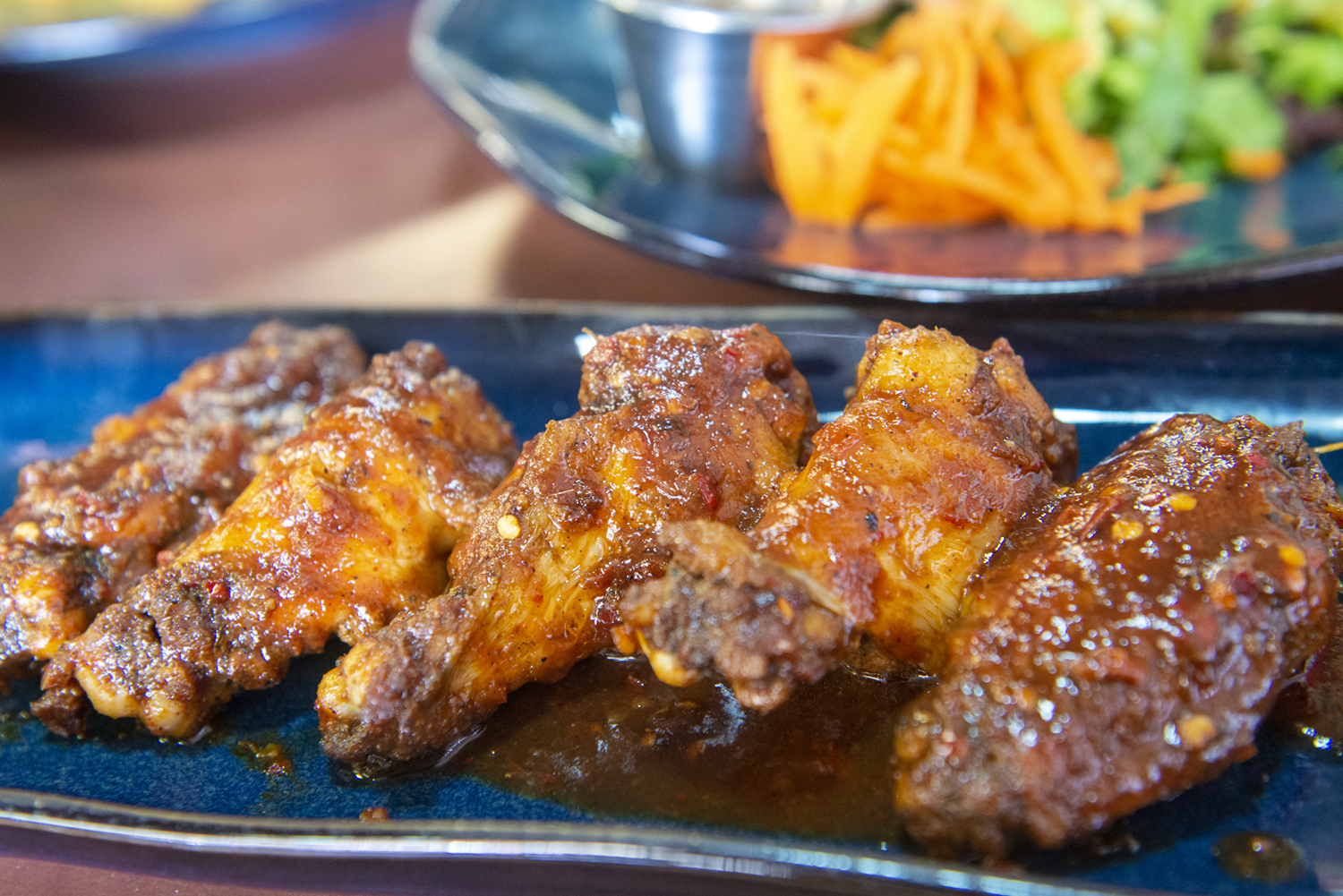
Traditional jerk developed as a way of preserving and cooking meat with a heavy seasoning blend, often featuring allspice and Scotch bonnet, then smoking it slowly, historically over pimento wood. That wood is not incidental. It contributes a sweet, resinous smoke that rounds the sharper edges of the pepper and spices. Even when cooks today adapt with charcoal, drum pans, or modern grills, the benchmark remains the same. Good jerk should smell deep before it tastes hot.
The lasting lesson from jerk is restraint inside abundance. The marinade can include many elements, scallion, thyme, garlic, ginger, allspice, pepper, salt, sometimes soy or browning in modern versions, but the result should still read clearly. Every ingredient has a job. If the heat overwhelms the bird or the smoke tastes harsh, the cook has missed the balance.
That is one reason jerk continues to inspire contemporary chefs. It proves that bold seasoning does not excuse sloppy technique. It rewards patience, even temperature, and the willingness to let flavor develop in stages. In many kitchens, that is a lesson worth carrying into everything from roasted vegetables to grilled seafood.
Ackee and saltfish, a national dish built on contrast
Few dishes express Jamaican culinary judgment better than ackee and saltfish. It is beloved partly because it is distinctive, but its deeper appeal lies in contrast. Ackee, when properly prepared, has a gentle, buttery texture that many first-time eaters compare to scrambled eggs, though the comparison only goes so far. Saltfish brings salinity and chew. Onion and tomato bring brightness. Scotch bonnet adds spark. Thyme and black pepper bridge the gap between savory and fragrant.
It is not a heavy-handed dish. The best versions are almost delicate. That often surprises people who know Jamaican food only through its more forceful expressions. A skilled cook understands that ackee is fragile. Stir too aggressively and it breaks apart. Overseason and its soft richness disappears. Undercook the saltfish and the dish feels flat. Overcook it and the flakes lose character.
In many households, this breakfast is also a social memory. It belongs to Saturdays, holidays, market mornings, visits from relatives, or the kind of late breakfast that jamaican food centennial drifts toward lunch. Over the last century, that rhythm has mattered as much as the recipe itself. Food traditions survive because they are attached to repeated occasions. Ackee and saltfish endured not merely because it tastes good, but because people kept returning to it at meaningful moments.
Ground provisions and the art of feeding people properly
One of the strongest centennial traditions in Jamaican cooking is the continued respect for ground provisions. Yam, sweet potato, cassava, coco, green banana, breadfruit, and boiled dumplings have held their place even as imported starches and convenience foods became more common. These foods are filling, affordable in season, and nutritionally substantial. More importantly, they suit the structure of Jamaican meals.
A plate anchored by ground provisions feels intentional. These starches do more than bulk out a meal. They absorb gravies, balance spicy proteins, and carry soups and stews into satisfying territory. A bowl of red peas soup without dumplings and provisions is still soup, but it lacks the full architecture that makes it a meal in the Jamaican sense. The same applies to rundown, steamed fish, or callaloo served alongside boiled green banana and yam.
Over the last hundred years, this habit of cooking with provisions has offered a quiet rebuke to the idea that sophistication requires imported ingredients. Jamaican cooks have long understood that local staples can be luxurious when handled correctly. Roasted breadfruit, for example, can be smoky outside, creamy inside, and deeply comforting. Fried ripe plantain can sharpen a meal through sweetness as effectively as any chutney. Cassava, grated and transformed into bammy, shows how a humble root can become one of the best partners for fried or escovitch fish.
This matters today because many modern diners are searching, often clumsily, for food that feels rooted and seasonal. Jamaican kitchens have practiced that logic for generations, not as fashion, but as necessity and common sense.
Soup as memory, medicine, and engineering
Jamaican soups deserve more respect than they usually receive in international food conversations. They are often described as comfort food, which is true, but incomplete. They are also technical dishes. A proper Saturday soup or a well-made mannish water requires sequencing, heat control, seasoning judgment, and an understanding of texture.
Take red peas soup. It often includes kidney beans, salted meat or fresh meat, pumpkin, herbs, dumplings, and provisions. The pumpkin thickens the broth naturally. The peas deepen the body. The dumplings expand and soften in stages. If the salt meat is not handled properly, the whole pot can tilt too salty. If the pumpkin goes in too early or too late, the consistency misses. A good soup tastes integrated, as though every ingredient agreed to be there.
Mannish water demands even more nerve. It is not a timid dish, and it was never meant to be. Built traditionally around goat head and offal, it uses parts that reward serious cooking and punish indifference. At its best, the broth is peppery, aromatic, and restorative, not murky or crude. The dish reflects another enduring Jamaican principle, use the whole animal, waste very little, and let long cooking extract value.
For cooks working today, these soups remain instructive. They show how to build layered flavor without leaning on processed shortcuts. They also show that economy and elegance are not opposites. Some of the most profound flavors in Jamaican food come from dishes shaped by frugality.
Sunday dinner and the social life of the table
If there is one institution that carried Jamaican food traditions across the last century with unusual force, it is Sunday dinner. Recipes survive in books, but habits survive in households. Sunday meals created a recurring deadline for excellence. They invited the best rice, the carefully browned chicken, the proper pot of peas, the gravy that had enough time to settle into itself.
In many Jamaican families, Sunday dinner was not casual. Even when money was tight, the meal often carried a ceremonial quality. The pot got more attention. The table, formal or improvised, mattered more. Relatives visited. Children learned how food should taste when the cook was not rushing. If someone made rice and peas that was too wet, everyone knew. If the chicken lacked seasoning, that was noticed too.
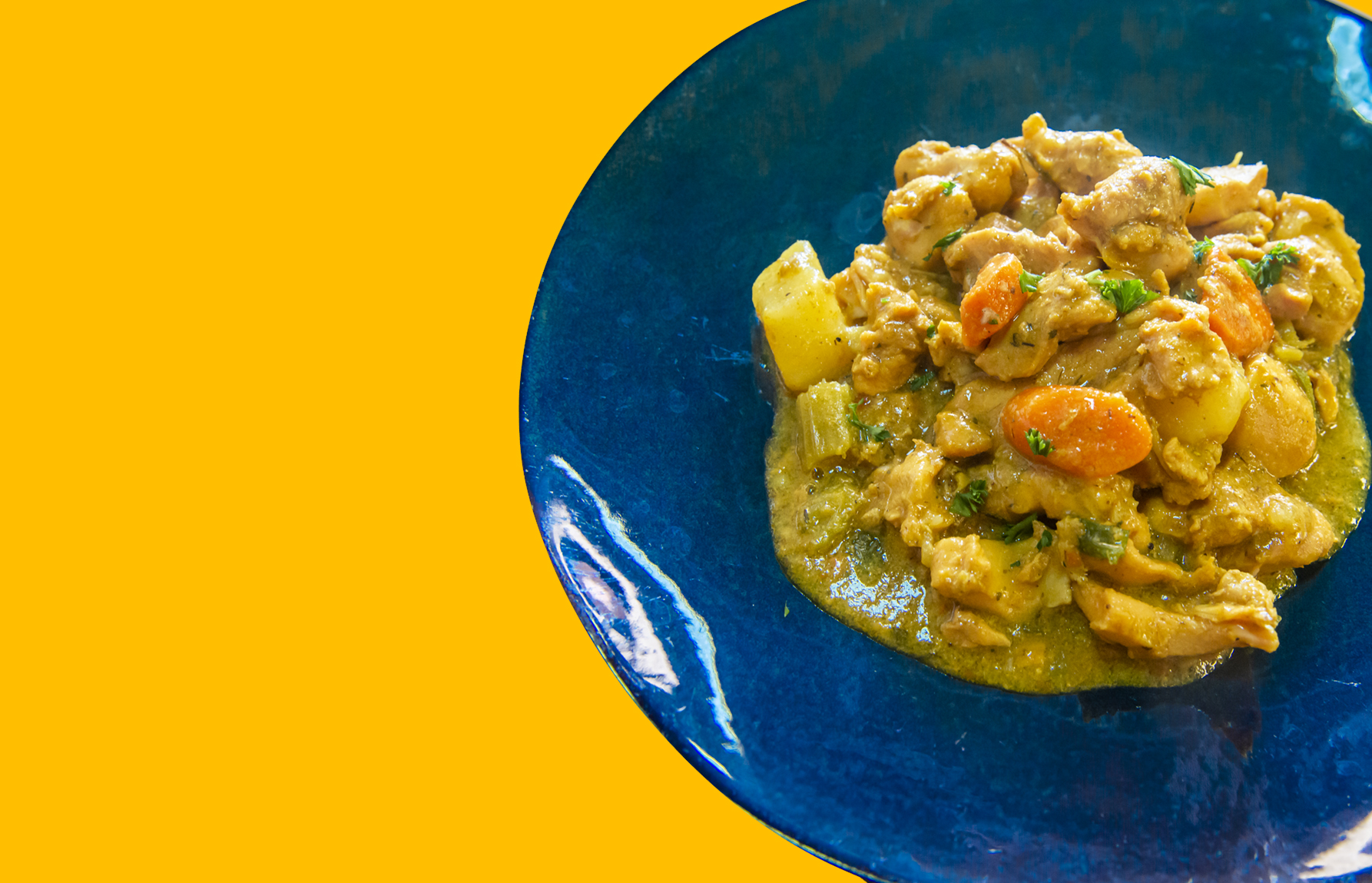
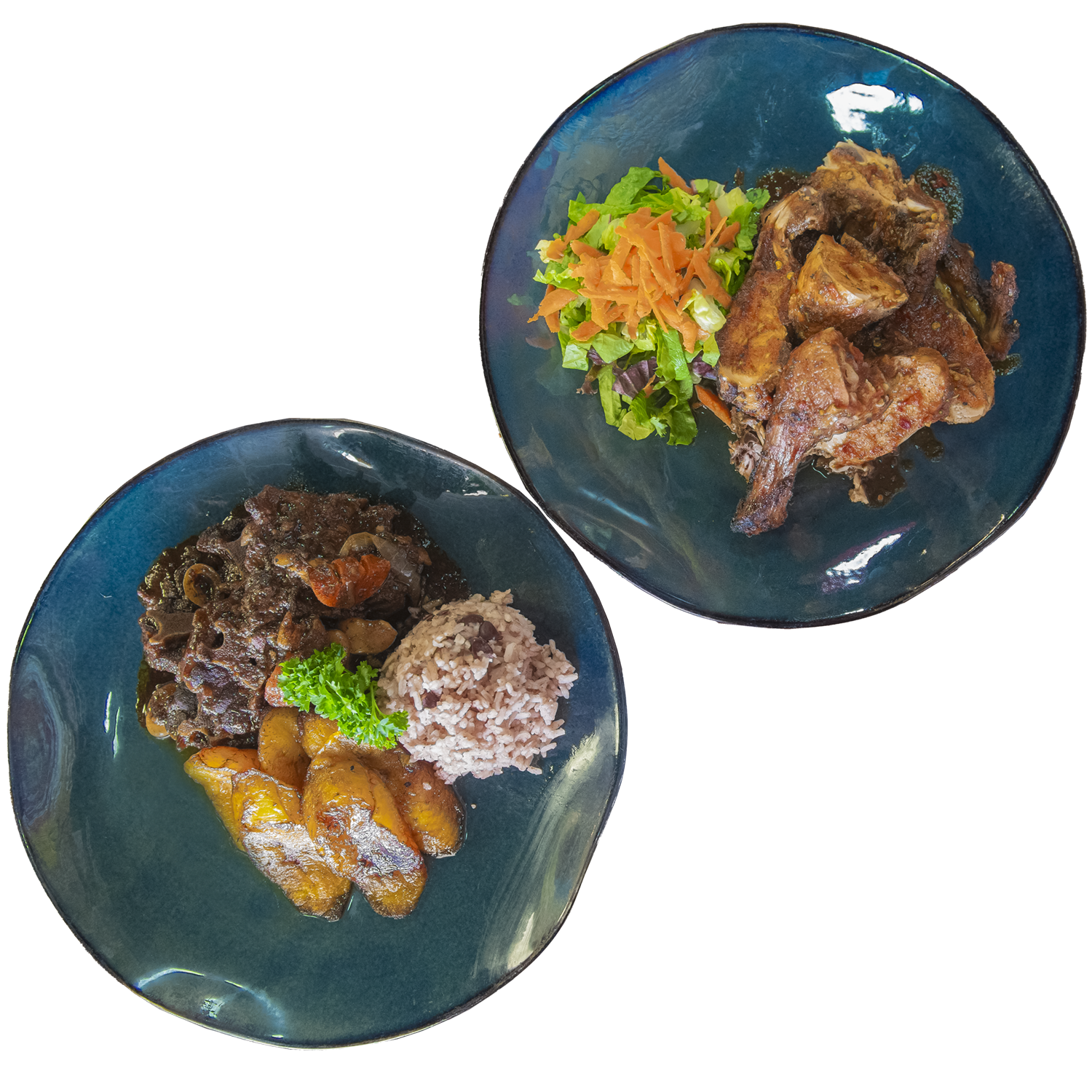
This kind of domestic accountability is underrated in food history. Restaurants popularize dishes, but homes preserve standards. The reason so many Jamaicans have strong opinions about rice and peas, oxtail, curried goat, or stew chicken is that these dishes were repeated enough for judgment to sharpen. Over a hundred years, that repetition protected quality.
It also encouraged creativity within a fixed frame. One household might use coconut milk more generously in the rice. Another might insist on pimento berries in the stew. One cook might swear by overnight seasoning, another by same-day freshness and a careful hand with thyme and scallion. These differences kept the tradition alive rather than rigid.
The market basket shaped the cuisine
To understand why these traditions still inspire, it helps to look beyond the stove and toward the market. Jamaican cooking has always been in conversation with what is available, affordable, and ripe. That relationship between market basket and menu explains much of the cuisine’s intelligence.
A cook shopping in a Jamaican market learns quickly that seasonality is not an abstract virtue. It affects cost, ripeness, and dish choice. Callaloo at the right moment gives tenderness and mineral depth that canned substitutes cannot mimic. Mango season changes the rhythm of snacking, pickling, and dessert. Breadfruit season can redirect the week’s starch planning. Fresh thyme, scallion, ginger, and Scotch bonnet are not decorative add-ons. They are structural ingredients, and their quality changes the meal.
Over the last century, market culture helped sustain culinary continuity, especially among women who managed household food budgets with remarkable precision. Good cooking often depended on knowing when to buy, what could stretch into soup, what should be cooked that day, and what could hold for Sunday. That kind of judgment rarely appears in glossy food writing, yet it shaped the everyday excellence of Jamaican meals.
It still does. Modern chefs who want to work respectfully with Jamaican food ignore market logic at their peril. The cuisine is not just about recipes copied from memory. It is about ingredient behavior in real life.
Migration changed the kitchen, but did not erase it
No serious discussion of Jamaican food traditions can avoid migration. Over the twentieth century, large Jamaican communities formed in the United Kingdom, the United States, Canada, and elsewhere. This movement changed access to ingredients, cooking spaces, and customer expectations. Yet the food proved adaptable without becoming unrecognizable.
That adaptation is one of the most inspiring parts of the centennial story. Cooks abroad learned to substitute where necessary, to use different cuts of meat, different fish, electric stoves instead of outdoor fires, and later, supermarket produce in place of direct farm or market access. Some substitutions worked better than others. A greenhouse scallion never behaves exactly like the best Caribbean-grown one. Pimento wood is not always easy to source. Ackee may be canned rather than fresh. Still, the essential grammar of the food persisted.
In diaspora communities, food also became a form of self-definition. Patties, buns, pepper sauces, sorrel at Christmas, black cake, curry dishes, and jerk all became edible declarations of continuity. A second-generation child might not know every proverb or parish custom, but they knew the smell of a proper kitchen on a weekend. That matters.
At the same time, migration introduced new pressures. Some dishes became sweeter, milder, or heavier to fit local preferences. Commercial kitchens sometimes leaned on browning sauce, excess sugar, or too much salt to imitate depth quickly. Those compromises are real. But even here, the best cooks held the line. They remembered that Jamaican food is not loud for the sake of being loud. It is balanced, intentional, and grounded.
What modern cooks still learn from these traditions
The enduring appeal of jamaican food centennial traditions is not nostalgia alone. These foodways continue to offer practical lessons to cooks everywhere.
First, they teach seasoning as architecture rather than decoration. In Jamaican food, seasoning often begins before heat touches the pan. Meat is rubbed, rested, and given time to absorb character. Soups are built in phases. Fresh herbs and aromatics are placed to create a full arc of flavor, not a single note.
Second, they reinforce the value of contrast. A classic Jamaican plate often balances heat with starch, salt with sweetness, richness with freshness, and tenderness with crispness. Escovitch fish is a fine example. The fish is fried until the exterior has structure, then topped with a sharp pickle of carrots, onion, and pepper. The acid does not fight the fish. It wakes it up.
Third, these traditions model economy without meanness. Good Jamaican cooking stretches ingredients honorably. Bones enrich broths. Provisions extend expensive proteins. Leftover roast breadfruit can become breakfast. Saltfish can flavor a pot with authority in small amounts. This is careful cooking, not deprivation.
A few principles show up again and again:
- respect the ingredient, but do not fear strong seasoning
- give heat time to work, especially in stews, soups, and jerk
- use starch and spice to balance each other
- cook for texture, not only for taste
- let meals serve people, not just plates
Those points may sound simple, yet they explain why so many Jamaican dishes feel satisfying on a level deeper than trend.
Why old techniques still outperform shortcuts
One reason these traditions remain relevant is that old techniques often produce better results than modern shortcuts. Browning meat properly before stewing still builds a richer gravy than dumping raw pieces into liquid. Freshly crushed pimento and thyme still smell more alive than pre-ground blends that have sat too long on a shelf. Slow simmering still gives soup a coherence that stock cubes alone cannot fake.
There is also the matter of texture. Jamaican cooks have long paid close attention to whether a dumpling has enough spring, whether callaloo is silky rather than swampy, whether fried fish cracks lightly under the fork, whether curry has cooked out enough to lose its raw edge. These details separate food that is merely recognizable from food that is truly good.
People sometimes romanticize tradition and forget that older methods also demanded labor. Grating coconut, cleaning fish, washing callaloo thoroughly, roasting breadfruit over live fire, or tending a jerk pan is work. Convenience products save time, and sometimes they are sensible. Canned coconut milk, frozen ackee, or a pressure cooker can be practical tools. The trade-off comes when convenience begins to dictate flavor rather than support it. The best modern Jamaican cooks know where to save time and where not to.
The emotional force of smell and sound
Food heritage is not preserved by taste alone. In Jamaican cooking, smell and sound are part of the archive. The hiss when escovitch vegetables hit warm vinegar. The crackle of fish frying. The perfume of thyme and scallion when they meet hot oil. The smoky sweetness of jerk drifting before you see the pan. The knock of a pot lid and the low simmer of peas softening in broth.
These sensory cues do more than trigger appetite. They teach readiness. Experienced cooks know by smell when curry needs another minute before liquid is added. They know by sound whether oil is hot enough for festival. They know by sight and steam whether rice and peas needs a lower flame. This is culinary knowledge stored in the body.
That bodily knowledge is one of the great gifts passed through centennial traditions. Recipes can be written down, but judgment is learned through repetition. It survives because someone stands beside the stove, watches closely, and pays attention.
A living tradition, not a museum piece
The strongest Jamaican food traditions have lasted because they are alive. They invite adaptation, but they resist dilution. They hold onto principles while making room for new circumstances. Vegan ital cooking has gained wider recognition. Chefs are revisiting old provisions with finer technique. Home cooks are balancing heritage with health concerns, using less salt or less oil without losing the soul of a dish. Diaspora restaurants are pushing quality higher while reconnecting with older standards.
What continues to inspire is not merely the age of these traditions, but their usefulness. Jamaican food from the last century teaches that identity can be generous, not fixed. A cuisine can absorb change and still know itself. It can honor memory without becoming precious. It can feed many people well and still reward precision.
That is why these dishes and methods endure. They are not artifacts from a closed past. They remain persuasive every time a pot of soup is built carefully, every time jerk is cooked with patience, every time ackee is folded gently, every time a family gathers over rice and peas that tastes the way it should. A hundred years on, the best Jamaican food still speaks in a clear voice, seasoned, grounded, and impossible to mistake.
Reggae Pot Jamaican Grill
Address: 7562 S University Blvd C, Centennial, CO 80122
Phone number: +13039975623
FAQ About Jamaican Food Centennial
What is typical Jamaican food?
Typical Jamaican food features bold, vibrant flavors created by blending African, Taino, European, and Asian influences.
What is a famous Jamaican dish?
The most famous Jamaican dish is Ackee and Saltfish, which is the national dish of Jamaica.
What are the top 10 foods to eat in Jamaica?
AI Overview The top 10 traditional foods to eat in Jamaica are bold, flavorful dishes that mix local ingredients with global influences.