Exploring Family Recipes for the Jamaican Food Centennial
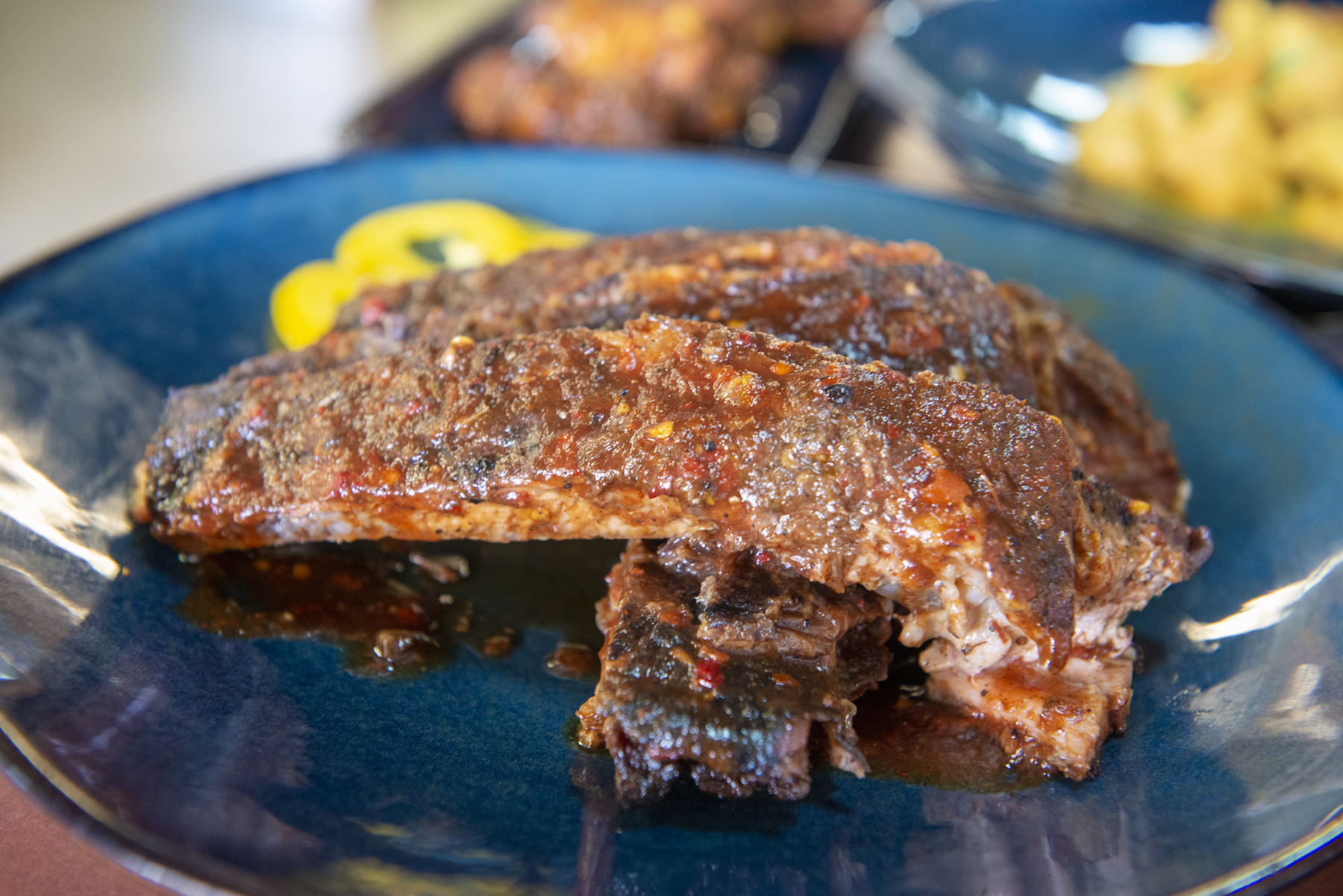
A centennial invites a different kind of attention. It asks people to look back over a full hundred years, not in abstract dates and public speeches, but in the texture of ordinary life. In Jamaica, food carries that texture with unusual force. Recipes move through families by memory as often as by measurement. A grandmother’s hand tells you when the dumpling dough is ready. An aunt tastes a pot and knows it needs thyme before anyone else notices. A father insists that escovitch only makes sense if the pickled vegetables keep their bite. The real archive sits in kitchens, market bags, cast iron pots, and conversations over the stove.
That is what makes the idea of a jamaican food centennial so compelling. It is not only a chance to celebrate famous dishes. It is a chance to ask how recipes survived hard times, adapted to migration, absorbed new ingredients, and still managed to taste unmistakably Jamaican. Family cooking reveals this history better than polished menus ever could. Restaurant food can be spectacular, but heritage usually lives in repetition. Sunday soup, Christmas cake, patties baked for school events, mannish water at a gathering, fried sprat with bammy after a long day by the sea, these are the dishes that carry memory without announcing themselves as history.
Where family recipes hold the real story
Many people think of culinary heritage in terms of national icons, jerk, ackee and saltfish, curry goat, rice and peas. Those dishes matter, of course. Yet when you start asking families about their own versions, the conversation gets richer very quickly. One household cooks rice and peas with coconut milk so thick it almost clings to the rice. Another keeps it lighter and lets the scallion and pimento lead. Some people swear that true Sunday rice and peas requires red peas. Others quietly use gungo peas when the season or the budget points that way.
That tension between the ideal recipe and the lived recipe is where food history becomes honest. Jamaica’s cooking has always reflected adaptation. Imported staples and local produce met under the pressure of plantation economies, rural subsistence, urban markets, migration, and celebrations shaped by church calendars and community events. A recipe preserved across a century is rarely unchanged. It is revised by scarcity, by prosperity, by the arrival of a stove that replaced coal, by a daughter moving to London or Toronto and using what she can find, by a son returning home and asking for the taste he remembers.
In practice, family recipes are less like museum pieces and more like living agreements. Everyone accepts the core identity of a dish, but details shift according to region, finances, age, and occasion. That is not a flaw in the record. It is the record.
The kitchen as an oral archive
Written recipes play a smaller role in many Jamaican households than outsiders expect. Even when a notebook exists, it often reads like a prompt rather than a full set of instructions. A page may say “season well,” “brown sugar first,” or “low fire till tender,” which only helps if you already know the dish. The knowledge sits around those phrases. It includes how long you let a pot rest after cooking, which brand of curry powder runs too bitter if rushed, how to soak saltfish so it keeps flavor without overwhelming the plate, when callaloo is best picked, and how much Scotch bonnet brings heat without flattening everything else.
That kind of knowledge is easy to lose because it sounds obvious in the moment. Anyone who has tried to reconstruct a beloved family dish after the cook has passed on knows the frustration. “A pinch” can mean vastly different things. “Cook till ready” is less instruction than inheritance. If there is one practical lesson in treating the jamaican food centennial seriously, it is that oral tradition deserves active preservation now, while the cooks are still there to correct you.
A useful approach is to observe before you ask questions. Watch where ingredients are added, not just what is added. Listen for the order in which seasonings are discussed. Notice whether the cook rinses rice once or several times, whether browning is done until nearly bitter or kept mild, whether allspice is bruised fresh or used sparingly from a packet. These details can alter a dish more than the ingredient list itself.
What a hundred years tastes like in one pot
If you want to understand Jamaican culinary continuity over a long period, look for dishes that gather many strands at once. Pepper pot soup is one example. So is rundown. So is a proper Sunday dinner, where starch, protein, gravy, vegetables, and heat all negotiate space on the plate. These dishes show African continuities, colonial influences, trade routes, local farming realities, and the discipline of feeding many people well.
Consider escovitch fish. At one level it is simple: fried fish topped with a sharp, spicy pickle of vegetables. At another, it tells a larger story about preservation, acidity, texture, and the marriage of heat with freshness. Families differ over the ratio of vinegar to water, whether sugar belongs at all, how thick the carrots should be cut, and whether the fish should remain crisp under the topping or soften slightly as it rests. A celebratory version might use a prized snapper. A more everyday version might make do with what is affordable and available. Both are true to the culture because Jamaican cooking has always been practical as well as expressive.
The same is true of curry goat, which has become a shorthand for festivity. People often speak of it as if one style exists, but family recipes reveal many camps. Some marinate overnight with fresh herbs and ginger. Some rely more heavily on scallion, thyme, and onion. Some cooks insist on “burning” the curry powder in oil first for depth and color. Others worry that this technique becomes harsh if the powder is not good quality. Bone-in meat is preferred for flavor, yet modern households with limited time may choose cuts that cook faster. The centennial lens helps us see that continuity does not require rigidity.
Migration changed the pantry, not the attachment
No conversation about Jamaican family recipes can ignore migration. Over the past century, Jamaicans carried their foodways into Britain, Canada, the United States, and elsewhere, often under conditions that made exact replication impossible. The right yam might not be available. Fresh pimento leaves might be out of reach. The fish sold in local shops might not match the species used at home. Even climate changes a kitchen. Baking a black cake in a cold December city feels different from baking in tropical heat, and ingredients behave differently too.
Yet migration also sharpened culinary memory. When people live away from home, they tend to hold tightly to flavor markers that tell them who they are. A soup with the right amount of yellow yam and pumpkin can quiet homesickness more effectively than a grand speech about belonging. That is why family recipes often become more carefully narrated in diaspora communities. Someone has to explain substitutions. Someone has to say, “Use this flour if you cannot get that one,” or “Add a little more browning because the chicken here is different.”
There is a trade-off here. Adaptation keeps traditions alive, but it can also smooth away techniques that depend on local ingredients. A hard dough bread made abroad may satisfy the family, but if the flour, yeast, and humidity have changed, the crumb will change too. Rather than dismissing diaspora versions as less authentic, it is more accurate to read them as part of the same long story. The recipe has traveled. It bears the marks of travel.
Recipes that deserve careful listening
Certain family dishes become emotional flashpoints during heritage celebrations because they do more than feed. They settle arguments about place, class, religion, and memory. A rural soup built from ground provisions may carry different associations than an urban bakery treat. A dish tied to Easter or Christmas may feel untouchable in one family and open to experimentation in another.
When documenting recipes for a centennial project, these categories usually yield the deepest material:
- Sunday dinner staples that appear week after week
- Holiday foods such as sorrel, black cake, gungo rice, and ham
- Market and street foods including patties, roast corn, and festival
- Special occasion dishes cooked for funerals, wakes, church events, or homecomings
- “Poor people food” once treated casually, now recognized as central to culinary identity
That last category often reveals the most. Dishes born from thrift, creativity, and local abundance can say more about historical survival than prestige foods. Breadfruit roasted over coals, mackerel cooked down with seasoning, callaloo with a side of boiled food, cornmeal porridge stretched to feed many children, these meals speak directly to the economics of family life. A centennial worth its name should make room for them.
How to preserve a family recipe without flattening it
People often make the mistake of treating recipe preservation as transcription alone. They write down ingredients, assign cup measurements, and move on. That can be useful, especially for younger cooks who need a starting point, but it misses the heart of the thing. A family recipe should be preserved as a small cultural document.
A stronger method includes context alongside technique. Record who cooked the dish most often, when it was served, and what changed over the jamaican food centennial years. Ask whether the cook learned it from a parent, a neighbor, or on the job in someone else’s kitchen. Find out which ingredients were once home-grown and which had to be bought. Note whether the recipe was associated with joy, hardship, status, courtship, mourning, or migration. Those details turn a list of ingredients into a lineage.
There is also value in preserving disagreement. If two sisters remember the same dish differently, write down both versions. If one cousin insists the original recipe never used ketchup and another says it always did, keep the dispute in the record. Family food history is rarely neat. Trying to force consensus can erase precisely what future generations would find most revealing.
One practical technique works especially well. Cook the recipe with the elder who knows it best, and have another family member measure silently as the dish is being made. That way, instinct remains intact while the next generation gets a usable framework. Video helps, but even audio recorded on a phone can capture cadence, pauses, and kitchen judgment in a way that written notes cannot.
A note on seasoning, because it matters more than outsiders think
Seasoning in Jamaican cooking is often misunderstood by people who reduce it to heat. Scotch bonnet is important, but the deeper structure usually comes from layering. Thyme, scallion, onion, garlic, ginger, pimento, black pepper, curry powder, all-purpose seasoning, browning, and fresh herbs all play roles, though not always in the same combinations. The better cooks know when to hold back. Too much dried seasoning can make a dish taste flat and commercial. Too much browning can push a stew toward bitterness. Too much heat can erase the sweetness of coconut milk or pumpkin.
This is where family recipes show real craft. An experienced cook seasons according to the ingredient’s character. Delicate fish needs a different hand than tough goat meat. Callaloo wants brightness and restraint. Oxtail can carry richer, darker notes. Festival needs enough sugar to distinguish itself from plain fried dough, but not so much that it drifts into dessert. In a centennial conversation, these choices matter because they reveal a practical intelligence built over decades.
The emotional life of centennial cooking
Anniversary cooking can become performative if people are not careful. There is always a temptation to turn heritage into spectacle, oversized platters, decorative plating, slogans about authenticity. Family recipes resist that tendency because they are tied to intimacy. They ask smaller, harder questions. Who taught you to cook this? Who is no longer here to taste it? Which dish comes out only when the whole family gathers? Which meal reminds you of a place that has changed beyond recognition?
I have seen ordinary recipes unlock remarkable recollections. A pot of red pea soup can lead to stories about carrying produce from the ground, cooking on wood fire, or dividing food among many siblings. A glass of sorrel can trigger a debate about whether orange peel belongs in the steeping stage. A rum cake can remind someone that butter once cost enough to reserve baking for Christmas alone. Food memory has a way of compressing economics, geography, and affection into one bite.
That emotional density is useful in a centennial setting because it keeps history human. Large historical narratives have their place, but they can become sterile if separated from domestic life. Family recipes restore scale. They remind us that a century of Jamaican food is also a century of mothers improvising, fathers tending weekend fires, children shelling peas, aunties guarding secrets, and grandparents teaching by correction more than praise.
Bringing younger cooks into the tradition
One of the biggest practical challenges is not whether young people appreciate Jamaican food. Most do. The challenge is whether they can cook it with confidence. Many grew up eating excellent food without being required to make it. Others feel intimidated by elders who treat the “right way” as obvious. If centennial celebrations stop at nostalgia, they miss the chance to build competence.
A better model is apprenticeship with room for modern realities. Younger cooks may live in smaller apartments, shop at supermarkets rather than markets, and work schedules that leave less time for long simmering. They still need the principles. Once they understand why a pot is built in a certain sequence, or why resting time matters, they can adapt responsibly.
Here are a few practical habits that help younger family members learn recipes without turning the process into a lecture:
- Cook one heritage dish repeatedly rather than attempting ten at once
- Learn taste cues, not only time cues
- Ask elders why a step matters before simplifying it
- Write down substitutions that worked and those that failed
- Preserve the original version even if you prefer a lighter or faster adaptation
That last point deserves emphasis. Modernization is not the enemy. Air fryers, pressure cookers, and induction stoves all have their uses. But once a family loses the memory of the baseline dish, adaptation becomes drift. The old version should remain accessible, even if it is made only on special occasions.
Centennial tables should include complexity
A mature celebration of Jamaican food should be generous enough to acknowledge contradiction. Some dishes became beloved through painful histories of labor and deprivation. Some ingredients associated with “traditional” cooking came through colonial trade. Some cherished family foods differ by parish, race, class, and religious background. None of that weakens the culture. It strengthens it by making it legible.
The most interesting family recipe collections do not present Jamaican food as static. They show how Chinese Jamaican kitchens, Indian Jamaican curries, Maroon foodways, Rastafarian ital principles, and Afro-Jamaican rural traditions all influenced what families cook and how they speak about cooking. A centennial table can hold jerk beside curry, ital stew beside escovitch, buns beside soups, and still feel coherent because Jamaican food has always absorbed, transformed, and localized influence.
There is also room to discuss what has been lost. Certain varieties of produce are harder to find. Some old techniques have faded because labor is expensive or time is scarce. Traditional cookware has disappeared from many homes. Salt content, sugar levels, and fat use have changed in response to health concerns and modern tastes. These shifts should not be ignored. They are part of the record too.
What to ask the elders before it is too late
If you are exploring family recipes for the jamaican food centennial, urgency matters. People often assume the knowledge will wait. It does not. The best cooks can explain a dish in ten vivid minutes, but those minutes vanish if no one asks.
Start with the simplest questions and let them branch naturally. Ask what they cooked most often as children. Ask what was considered a treat. Ask which foods were bought and which were grown. Ask what changed after migration, after marriage, after children, after better jobs, after illness. Ask which dish they would want remembered if only one could survive in the family record.
Often the answer will not be the obvious one. It may not be jerk chicken or curry goat. It may be a humble porridge, a Saturday soup, a roast breadfruit with saltfish, a pan of bun, or a sweet potato pudding whose texture no bakery quite gets right. Those answers are the reason to do this work carefully. They remind us that culinary heritage is not only what the nation markets to the world. It is what families guarded, altered, argued over, and loved enough to keep making.
A centennial celebration gains substance when it honors that truth. The future of Jamaican food will not depend solely on chefs, festivals, or cookbooks. It will depend on whether families continue telling the stories inside the recipes, and whether the next pair of hands learns how the old pot should smell just before the lid goes on.
Reggae Pot Jamaican Grill
Address: 7562 S University Blvd C, Centennial, CO 80122
Phone number: +13039975623
FAQ About Jamaican Food Centennial
What is typical Jamaican food?
Typical Jamaican food features bold, vibrant flavors created by blending African, Taino, European, and Asian influences.
What is a famous Jamaican dish?
The most famous Jamaican dish is Ackee and Saltfish, which is the national dish of Jamaica.
What are the top 10 foods to eat in Jamaica?
AI Overview The top 10 traditional foods to eat in Jamaica are bold, flavorful dishes that mix local ingredients with global influences.